
A good transformer rectifier specification starts with accurate seawater data, because conductivity sets the DC voltage the rectifier must deliver.
The provision of a detailed seawater analysis and temperature range is critical for the correct specification of a Transformer Rectifier. The T/R output has to be for full current at the lowest and highest seawater conductivity conditions which implies that this has to occur over a range of output voltages.
Any variation therefore from the specified seawater conditions could lead to an inability to meet guarantees points during commissioning and possible disputes between all parties over any extrapolation of the results.
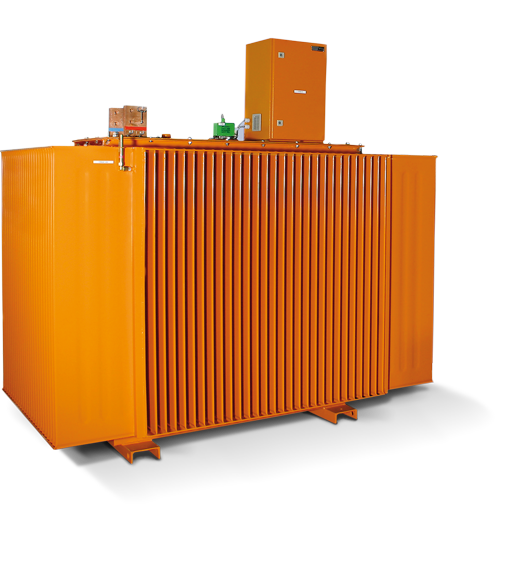
Getting the transformer rectifier specification right #
The rectifier must deliver full current across the whole range of seawater conditions. Cold, low-salinity water has a higher resistance, so the electrolysers need a higher voltage to pass the same current. Warm, salty water needs less. A sound transformer rectifier specification therefore states the full range of seawater temperature and conductivity, not just a single design point.
In practice, the rectifier is rated for the highest DC voltage at full current, with a control range wide enough to turn production down when demand falls. Thyristor control is common for larger sets, while switch-mode units suit small loads. In addition, the specification should cover cooling, enclosure rating, hazardous-area requirements and the control signals exchanged with the plant system.
Clear data avoids disputes later. If commissioning takes place in conditions outside the specified range, guaranteed output may not be achievable, and extrapolating test results leads to arguments. For more on installing these units, read transformer rectifier installation, or see AZUVIA rectified power systems. Power converter design generally follows IEC standards.


