
SolutionsClear seawater systems, without chemical dosing.
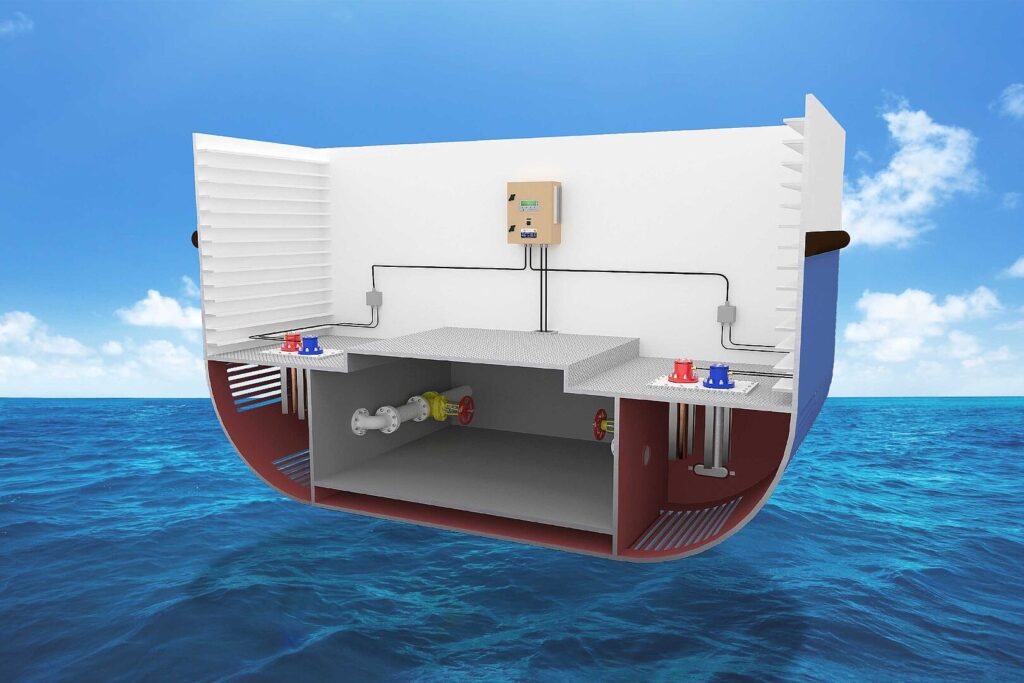
Mussels, barnacles and weed settle in sea chests and pipework, choking flow and cutting heat transfer. AZUVIA MGPS uses electrolytic anodes to release trace copper ions, which stop larvae from settling, together with aluminium or iron anodes that lay down a protective film against corrosion.
What it protects
- Sea chests and pipework
- Heat exchangers and condensers
- Fire mains
- Air-conditioning and refrigeration coolers
Used onVessels and platforms
- Cargo ships and tankers
- Offshore vessels and platforms
- Naval craft
- Ferries and yachts
The MGPS range
Electrochlorination or Copper Ion System
Biofouling is one of the main problems faced by every type of ship at the sea. Marine growth such as barnacles and mussels have been the reason for problems such as decreased ship efficiency, corrosion etc.
Biofouling not only sticks to the external surface of the ships but also gets into the water intakes and sticks to the surface of the pipes leading to problems such as blockage and corrosion.
Though mechanical removing tools can be used to get rid of such marine growth, this is not always possible. For this reason, different types of marine growth prevent systems are used on board ships, along with anti-fouling paints.
We will compare 2 main types of marine growth prevention systems available in the market
– Electrochlorination
– Copper Ion System / MGPS
Distinctive advantages of seawater electrochlorination
Tested and proven performance to be the most effect against marine fouling
Utilizing the latest in marine research and technology, Electrochlorination/ Hypo chlorination System has been designed to prevent marine growth from built up in internal seawater system by injecting the chlorine to suction point Using electrolysis, this Intelligent, self-sufficient system is able to produce chlorine by breaking up the water molecule present In seawater, keeping your seawater pipeline system in peak condition
Sea Water Electrochlorination Advantages
- Proven Results In Seawater Treatment
- Self Sustalnable
- Ease of Maintenance
- Longer Servlce Llfe
Disadvantages of copper ion system
Discharging of Copper into seawater, heavily regulated and Enviromentally unfriendly
Copper-Ion system Marine Growth Preventatlon system works by dissolving Copper into Seachest for every required flow llne that will prevent the accumulation of Bio fouling within the seawater cooling system. The system is connected to a power unit that will send a small current to the Anodes, resulting in a controlled release of ions to treat the seawater. Copper tolerance are among some marine Taxa (Including nuisance foulers and known invasion). resulting in adverse effect to long terms diversity within copper Impacted marine habitat
Copper is currently being subjected to an increase in global scurtiny as it could potentially be a marine pollutant and with the possiblity of ban extending into marine areas in the future.
Copper Ion System Disadvantages
- Envlronmantally Unfrlendly
- Not Self Sustainable
- Heavily Regulated discharge
- Diffcult to Replace
- Poor Service Life
Tell us what's possible.
Send us your duty, feedwater and location. An AZUVIA engineer will reply.