
Cathodic ProtectionBring the propeller into the protection circuit.
A slip-ring and brush assembly grounds the rotating shaft to the hull, so the propeller is protected and stray currents do not attack bearings and gears.
Protection to Propeller Shaft - Shaft Grounding System
Shaft Grounding is essential in order to protect the propeller shaft from corrosion.
Our shaft grounding devices are designed to ensure that a complete and total cathodic protection is applied to the entire wetted surface area of the hull. Even though adequate protection has been installed to the hull such as the impressed cathodic protection system or sacrifical zinc or aluminium anodes, it would still cause corrosion on the propeller bearings and etc.
Product Details
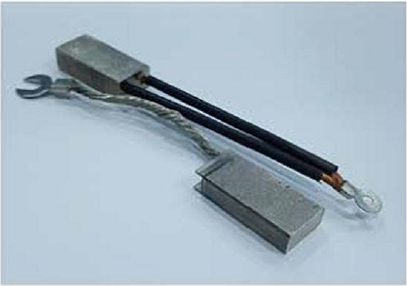
High Quality Brushes
Our brushes are manufactured with 80% Silver and 20% Graphite. This recipe provides a high electrical continuity and wear resistance
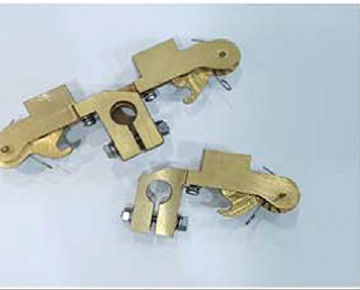
High Quality Brush Holders
Brush Holder is crucial to maintain the silver graphite brush contact with the slip ring and shaft constantly.
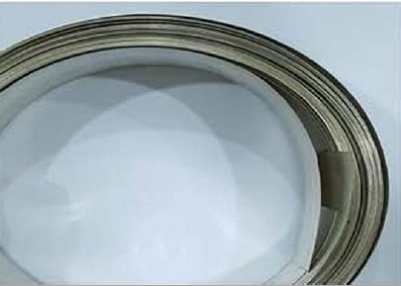
High Quality Slip Rings
Slip rings are made of 75% silver that ensure durable and continuity during operation.
Shaft Grounding SystemComplete Cathodic Protection
Shaft grounding system will be required to protect the shaft bearing even if the vessel is installed with the ICCP system or sacrifical anodes.
Prevent corrosion
Prevents corrosion on bearings, propeller tips and propeller.
Why do you need shaft earthing system
The shaft earthing system is essential for any vessel that has installed either an impressed current cathodic system or sacrifical anodes as commonly the propeller bearings and propeller tips are usually left unprotected. This could incur high cost during dry dock, where further repairs will need to be carried out on the propeller. The system consist of a digital or analog type potential monitoring panel, silver graphite brushes, brush holders and accessories to aid installation.
Spark Erosion
On the vessels, many varieties of metals are used for different parts of the vessel such as the propeller, hull, bedplate, crankshaft and shaft bearing. The current from either the impressed current cathodic system or sacrifical anode which would potentially create a spark erosion.
However, the propeller which usually is of a larger surface area is able to attract protective the ICCP current that produces an arc while discharging from the lubricating firm. This causes spark erosion to form on the bearings, leading to lubrication oil contaminating the sea water. If it is not attended to over long period of time, it will lead to overheating of the main engine bearing caused by lubrication from spark erosion.
Tell us what's possible.
Send us your duty, feedwater and location. An AZUVIA engineer will reply.