
ApplicationsResidual disinfection without chlorine gas.
Drinking water disinfection with a safe residual. In addition, there is no chlorine gas or concentrated bleach to store.
Recommended
- AZSEC
OverviewOn-site hypochlorite for drinking water disinfection
Chlorination remains the most widely used method of drinking water disinfection. It kills pathogens quickly. Moreover, it leaves a residual that protects water all the way through the network.
However, the chlorine itself is a challenge for many water utilities. Chlorine gas is hazardous to store and transport. Similarly, concentrated bleach loses strength and forms by-products while it sits in a tank.
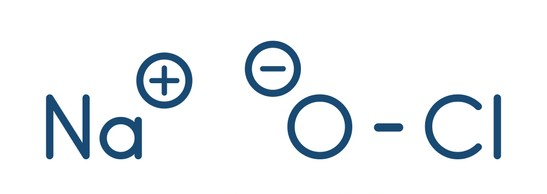
AZSEC on-site hypochlorite generation solves both problems. First, the system dissolves food-grade salt in softened water. Then it passes the brine through an electrolyser to make low-strength sodium hypochlorite, typically below one percent. Finally, it doses the product into the treatment line or a reservoir. Because it makes the product as needed, the dose is always fresh.
Low-strength hypochlorite is far safer to handle than gas or 12 to 15 percent bleach. In addition, salt is cheap, stable and easy to buy locally. As a result, AZSEC suits small and medium plants, remote communities, islands and industrial sites that make their own drinking water.
Residual chlorine measurements control the dose. This helps the plant meet national standards and the World Health Organization guidelines for drinking-water quality. AZUVIA sizes, supplies, commissions and services AZSEC systems across Asia. Tell us your flow rate and target residual, and we will then propose a drinking water disinfection system.
Tell us what's possible.
Send us your duty, feedwater and location. An AZUVIA engineer will reply.