
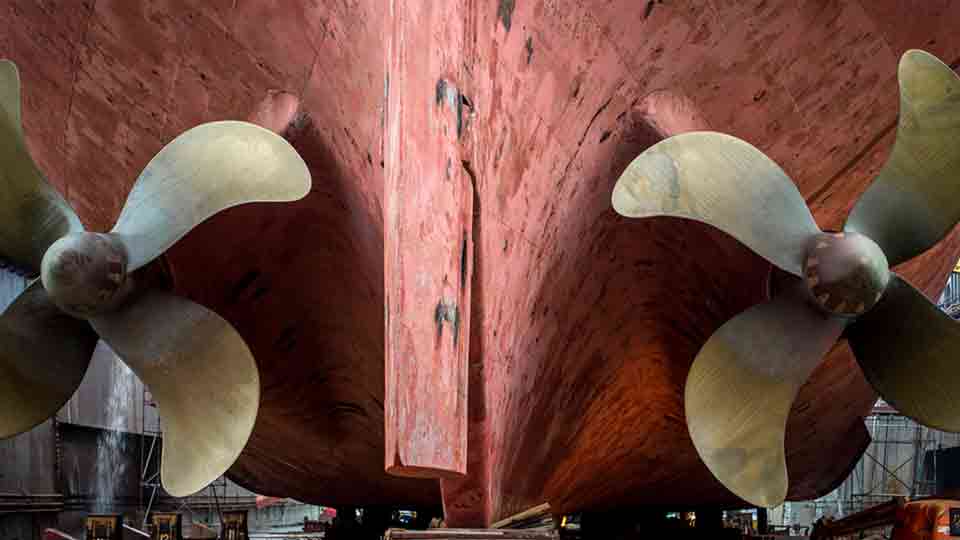
Cathodic ProtectionFor jackets, FPSOs and subsea structures.
Offshore ICCP built for the long design lives and limited access of offshore assets, with remote anodes and monitoring.
OverviewHow offshore ICCP protects structures
Offshore structures are designed to stay in place for decades, often longer than any coating can last. Jackets, monopiles, FPSO hulls, mooring systems and subsea equipment therefore rely on cathodic protection to keep steel from corroding below the waterline. Offshore ICCP does this with a controlled current from a transformer-rectifier rather than with the mass of sacrificial anodes needed for the same life.
An E-CATHO offshore ICCP system uses mixed metal oxide or platinised anodes, mounted on the structure or on remote sleds on the seabed, to spread current over the steel. Reference electrodes measure the steel’s potential, and the controller adjusts current to keep it inside the protection range. Because current is controlled, the system copes with changes in coating condition and seawater over the life of the field.
Weight matters offshore. An ICCP system can save many tonnes compared with sacrificial anodes, and anodes can be replaced or retrofitted without dry-docking. Remote monitoring sends potentials and alarms to the control room, so the integrity team can see protection status without a dive survey.
AZUVIA designs offshore ICCP to recognised practice such as DNV recommended practices and ISO standards, and supplies explosion-proof rectifiers for hazardous areas. We also retrofit ICCP to ageing structures whose sacrificial anodes are depleted. Send us your structure details and design life, and we will propose an offshore ICCP system.
Tell us what's possible.
Send us your duty, feedwater and location. An AZUVIA engineer will reply.